Everything About Water Damage Remediation: Secret Realities and Advantages You Should Know
Water damage repair is a crucial process that every home owner should comprehend. It includes examining the kind of damages, whether clean, gray, or black water, and executing a systematic remediation technique. Recognizing the signs of water damage early can significantly affect the effectiveness of the restoration. Understanding the actions involved and the importance of prompt activity can avoid additional complications. What factors should home owners take into consideration when deciding between specialist services and do it yourself approaches?
Recognizing Water Damages: Types and Causes
What aspects add to water damages, and exactly how can they be identified? Water damages can be categorized into 3 primary classifications: clean water, grey water, and black water. Clean water originates from sources like busted pipes or rainwater, presenting very little health and wellness dangers. Gray water, which might come from home appliances like dish washers or cleaning devices, includes contaminants that require cautious handling. Black water, originating from sewage or flooding, postures significant health and wellness risks and needs prompt focus.
The root causes of water damages are varied. Common factors consist of plumbing failures, roof covering leaks, natural calamities, and poor water drainage systems. In addition, human mistakes, such as leaving faucets running or stopping working to preserve appliances, can aggravate the problem. Recognizing these types and creates is necessary for efficient prevention and removal approaches, ensuring that property owners can take aggressive steps to safeguard their homes against the destructive effects of water damage.
Indicators of Water Damage: Just How to Identify Problems Early
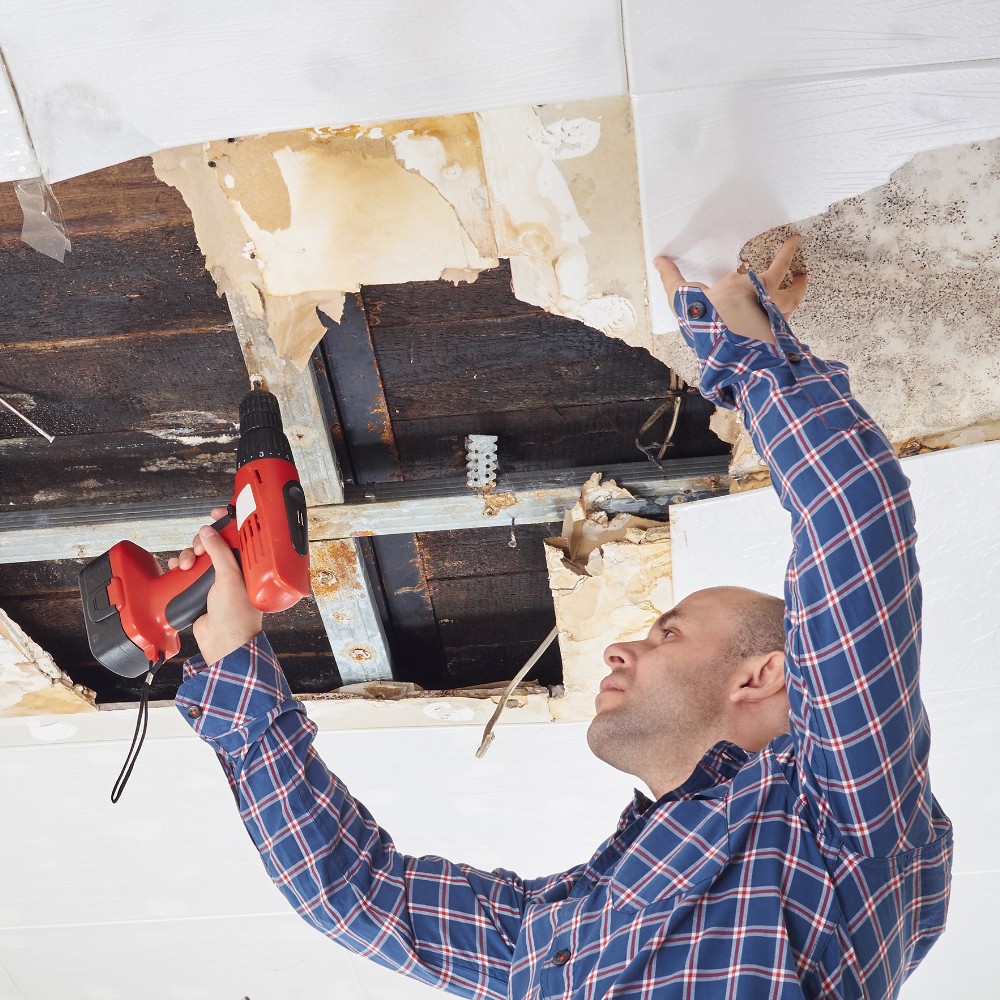
How can one identify the early indications of water damages prior to it escalates into a much more major problem? Recognizing these concerns promptly can save property owners from extensive repair services. Common signs consist of visible water spots on ceilings or wall surfaces, which commonly look like yellowish or brownish spots. Another sign is peeling off or gurgling paint and wallpaper, recommending wetness under the surface area. Stuffy smells can additionally represent covert mold and mildew development, a straight result of prolonged dampness. Furthermore, bending or buckling of floors might suggest excess dampness in the underlying frameworks. Homeowners need to consistently inspect areas vulnerable to water direct exposure, such as cooking areas, basements, and shower rooms, for any signs of leakage or wetness. An unexpected increase in energy expenses might hint at undetected leakages. By acknowledging these early indicators, individuals can take proactive actions to attend to water damage before it gets worse.
The Water Damages Remediation Process: Step-by-Step

Next, the drying out procedure starts, using air movers and dehumidifiers to remove wetness from walls, floors, and individual valuables. After the area is completely dried, cleaning and sanitization take place to remove odors and pollutants.
Repair services and repair work is carried out, which may consist of changing broken products, repainting, or refinishing surfaces. Throughout the procedure, documents is kept for insurance coverage purposes, ensuring that all actions taken are tape-recorded. Each action is essential to recover the building and ensure a secure living setting for owners
Significance of Timely Repair: Why Performing Fast Matters
Prompt restoration following water damage is crucial, as delays can bring about escalating concerns such as mold and mildew growth and architectural deterioration. Water can rapidly leak into porous materials, producing an ideal environment for mold and mildew spores to thrive. Within 24-48 hours, mold can begin to develop, posing wellness risks and more complicating reconstruction initiatives.

Additionally, long term direct exposure to moisture can compromise the architectural honesty of structures, bring about costly fixings and potential security threats. Performing fast not just decreases damages but also decreases the total cost of reconstruction. Insurer frequently prefer prompt action, which can help with smoother cases procedures and quicker monetary healing for homeowner.
Eventually, prioritizing timely reconstruction maintains residential property worth, enhances safety and security, and promotes a healthier living setting. For these factors, swift action is vital in the results of water damage, emphasizing the importance of attending to issues as quickly as they occur.
Expert vs. do it yourself Remediation: Cons and pros
When considering water damage restoration, homeowners often consider the alternatives of specialist solutions against do it yourself strategies. Expense factors to consider her explanation play a substantial duty, as professional repair can be much more expensive but may supply superior know-how and customized devices. Each option has its cons and pros, affecting both the performance and effectiveness of the restoration process.
Price Factors to consider
While house owners might think about both specialist services and DIY techniques for water damage repair, each option offers distinctive monetary ramifications and advantages. Expert repair solutions often come with higher ahead of time expenses as a result of expertise, labor, and equipment. Nevertheless, they can quicken the remediation procedure, potentially reducing additional damage and linked prices. On the other hand, do it yourself remediation could appear extra budget-friendly initially, as it generally involves lower straight costs. House owners ought to factor in the potential for errors, which might lead to a lot more extensive damages and greater long-lasting costs. Eventually, the choice in between professional and do it yourself remediation copyrights on the homeowner's spending plan, the intensity of the damage, and their readiness to invest time and initiative right into the repair process.
Competence and Equipment
A remarkable distinction in between professional and DIY water damage reconstruction depends on the expertise and tools available for every method. Specialists have specialized training and experience, allowing them to evaluate damages properly and execute efficient remediation methods. They make use of sophisticated equipment, such as industrial-grade dehumidifiers and wetness discovery tools, which can significantly accelerate the drying out procedure and avoid additional difficulties like mold development. On the other hand, do it yourself restoration typically counts on basic household tools and methods, which may be less effective and can bring about insufficient fixings. While do it yourself can save cash, it additionally lugs risks, consisting of prospective carcinogen and comprehensive damages otherwise carried out properly. Eventually, selecting in between professional services and DIY methods relies on the intensity of the damages and the property owner's abilities.
Advanced Techniques in Water Damages Reconstruction
Water damages reconstruction has actually commonly depended on standard approaches, progressed strategies are currently transforming the market. Technologies such as thermal imaging technology allow reconstruction professionals to discover covert wetness behind wall surfaces and under floors, ensuring comprehensive drying out procedures. Furthermore, making use of high-capacity dehumidifiers increases moisture removal, greatly lowering the risk of mold and mildew development.
Another innovation is the application of antimicrobial treatments, which hinder mold and bacteria development, safeguarding the health and wellness of residents. Furthermore, progressed drying devices, consisting of air movers and specialized drying out mats, boosts air blood circulation and assists in quicker dissipation of moisture.
In addition, real-time monitoring systems currently offer continuous analyses of wetness levels, allowing timely interventions and maximizing remediation efforts. These advancements not only boost the effectiveness of water damages repair however additionally add to far better resource end results for buildings, decreasing lasting damage and expenses related to water-related incidents.
Avoiding Future Water Damages: Tips for Homeowners
To stop future water damages, homeowners ought to take on aggressive actions that address potential vulnerabilities in their residential properties. Normal upkeep of rain gutters, roofings, and downspouts is vital; making sure these are free from debris can prevent water build-up. House owners ought to likewise examine plumbing systems for leaks and replace worn-out pipes immediately. Installing sump pumps in basements can fend off flooding throughout heavy rainfalls, while using water alarm systems can offer very early detection of leakages.
Furthermore, securing doors and windows helps prevent rain breach. Landscaping ought to route water away from the structure, employing appropriate grading and drainage solutions. Homeowners could likewise consider waterproofing cellars and crawl spaces to try this out more alleviate risks. Inevitably, maintaining an upgraded inventory of home things can help in insurance claims need to damage occur. By applying these approaches, house owners can meaningfully reduce the chance of water damage and shield their investments.
Regularly Asked Concerns
Just How Much Does Water Damage Remediation Typically Cost?
Water damage remediation generally costs in between $1,000 and $5,000, relying on the level of the damages, the sort of materials affected, and the place. Complex situations might exceed this range significantly, needing expert analysis.
Will My Insurance Coverage Cover Water Damage Restoration Costs?
Insurance policy coverage for water damages repair differs by policy and conditions. Generally, home owners' insurance may cover problems from abrupt incidents, but exemptions may apply. It is a good idea to review the policy information or seek advice from an insurance representative.
The length of time Does the Remediation Refine Normally Take?
What Should I Do Promptly After Discovering Water Damage?
Upon discovering water damages, one ought to instantly shut off the water source, get rid of beneficial products from the damaged location, and guarantee proper ventilation. Looking for specialist aid is important for efficient damage control and repair.
Exist Certain Products That Are Immune to Water Damages?
Specific products, such as cured wood, concrete, and fiberglass, exhibit higher resistance to water damages. Furthermore, water-proof layers and synthetic materials boost sturdiness, supplying effective protection against moisture and possible deterioration in time.
Water damage can be categorized into three primary groups: clean water, grey water, and black water. When thinking about water damage repair, property owners typically weigh the alternatives of specialist solutions against DIY methods. While house owners may think about both professional solutions and DIY methods for water damages reconstruction, each option presents distinct monetary ramifications and advantages. Water damages repair commonly sets you back between $1,000 and $5,000, depending on the degree of the damages, the type of products affected, and the location. Upon discovering water damage, one need to quickly turn off the water resource, remove beneficial products from the damaged location, and assurance proper ventilation.